
UPCOMING EVENTS
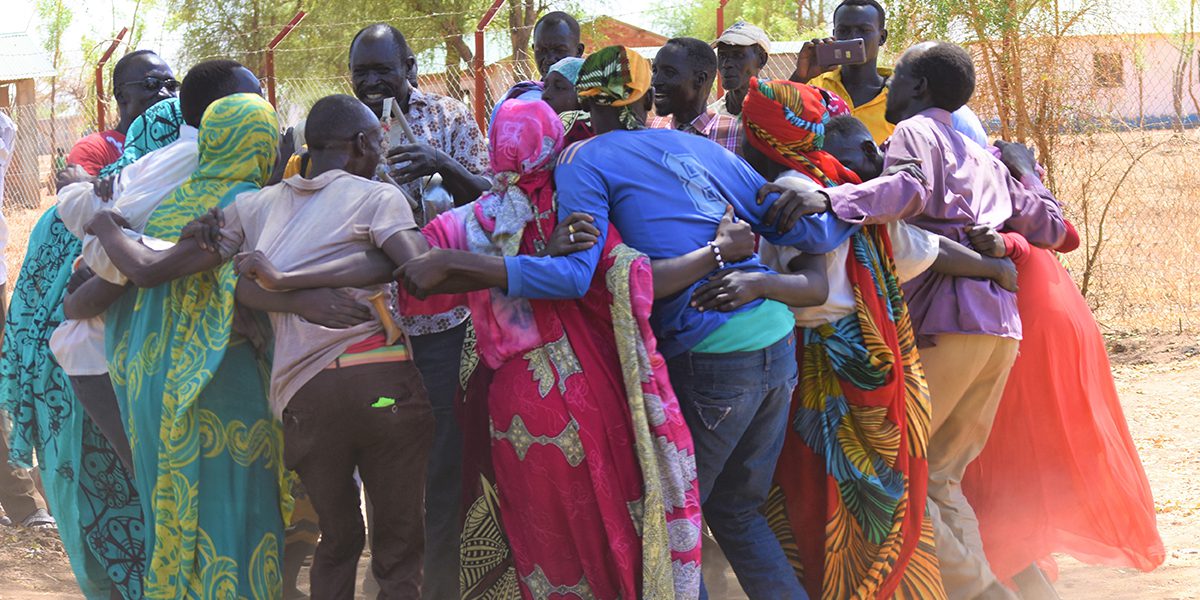
One year, after the people of Sudan were plunged into extreme humanitarian emergency following the outbreak in mid-April 2023 of fierce fighting between the Sudan Armed Forces (SAF) and the Rapid Support Forces (RSF), JRS and several Christian organisations, have published a statement regarding the situation.

Paglaum is the project proposed by Dulungan Youth to the Reconciliation with Creation network program in Asia Pacific Conference. Here is the progress of this project aimed at conducting a writing workshop to prepare young people to communicate the forest conservation efforts of the indigenous communities of Central Panay Mountain Range.
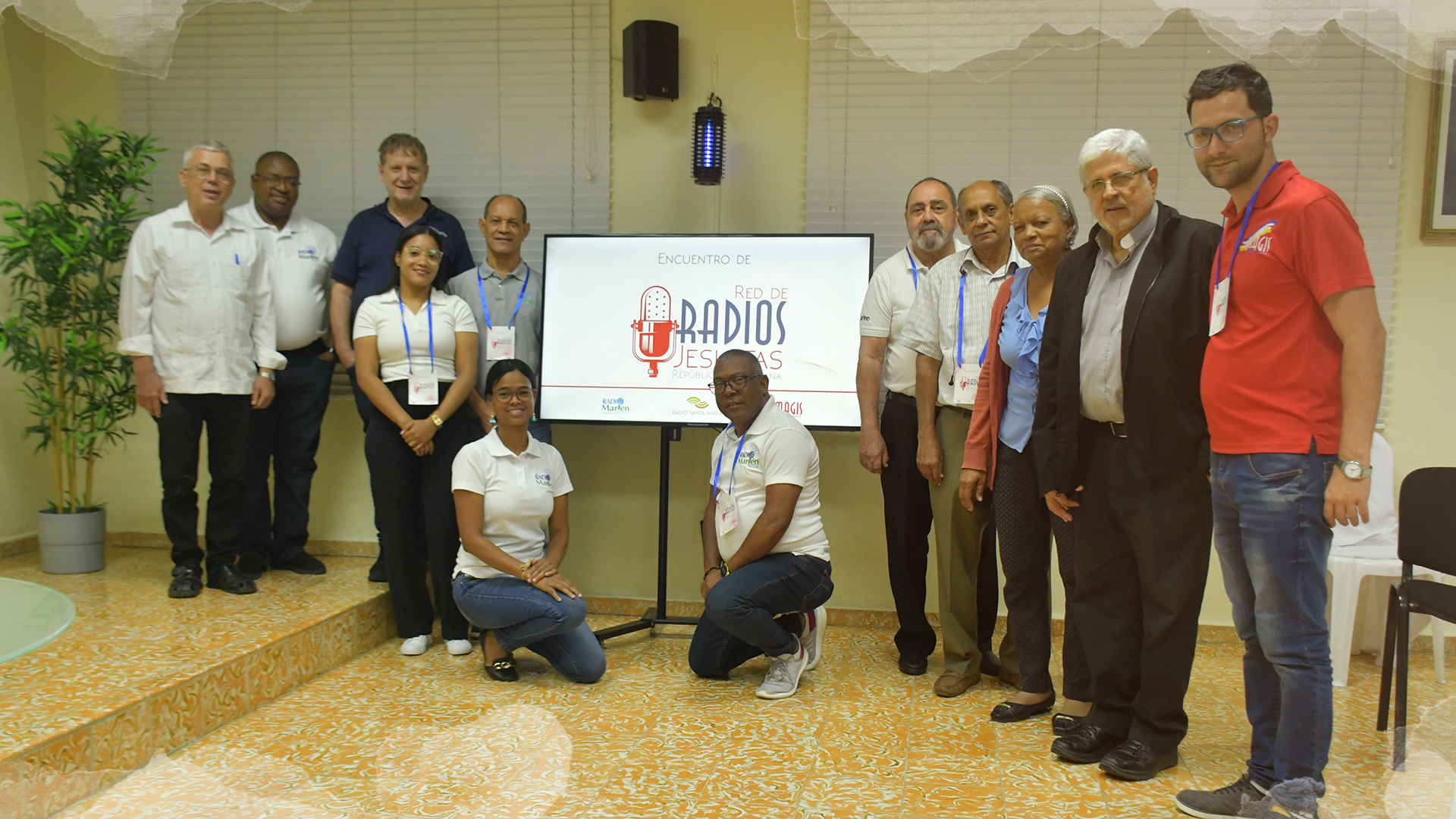
From April 5 to 7, the Jesuit Radio Network in the Dominican Republic met at the facilities of the Loyola Polytechnic Institute (IPL) in San Cristóbal. During the meeting, the construction of a shared itinerary that seeks to focus on collaboration and contextualized radio communication marked by the Apostolic Preferences approved by the Society of Jesus for the coming years was highlighted.

The worldwide network of Jesuit organisations, Xavier Network, involved in responding to humanitarian crises around the world, expressed shock at the April 2 killing of 7 aid workers delivering essential food aid. "We cannot be silent." Xavier Network joined the global Jesuits' call for "an immediate ceasefire, for negotiations and for the beginning of a process that will bring freedom, liberty and justice for all in the Middle East, the only road to true peace."
TESTIMONIES
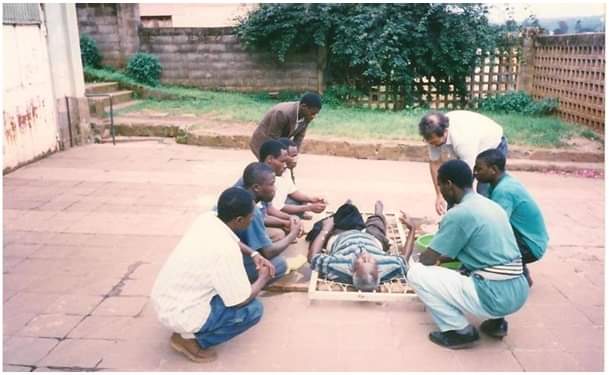
It is a question of working to establish lasting peace in the Congo, founded on democratic values and absolute respect for human dignity, rooted in faith and hope in the Risen Lord, Conqueror of violence and death.
Addressing hope amidst the Palestinian experience is a weighty task, especially when your community is enduring such atrocities.
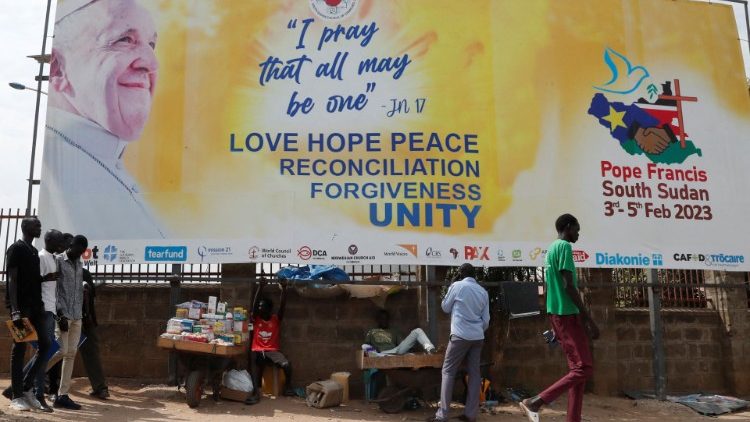
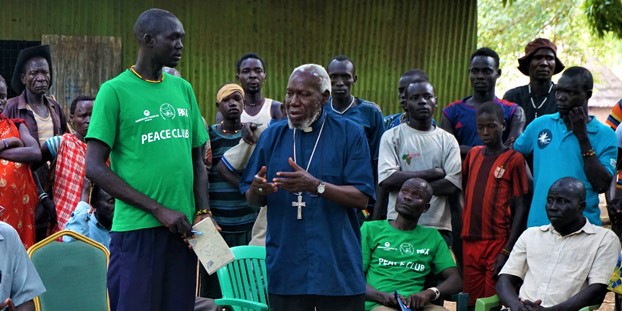
I ask myself sometime when will this suffering end? When will South Sudanese become one people and work together for their development? The desire to serve God and His people that pushed me to join religious life few years ago is kind of renewed desire every time I get to witness or hear these painful stories.
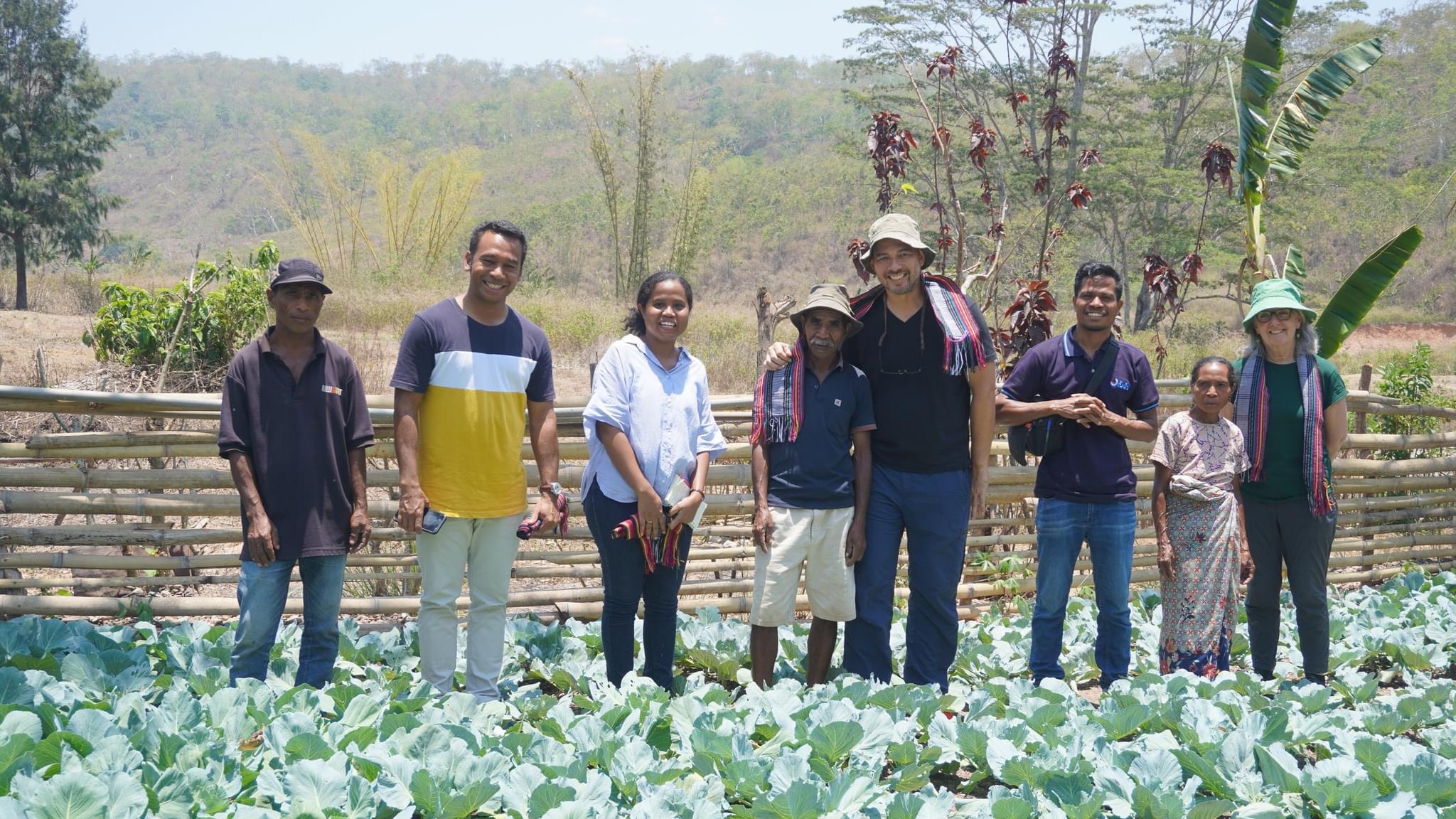
This is the context in which the Jesuit mission operates in Timor-Leste. We understand the importance of strengthening communities from the ground up. So we persist in reaching out to people in remote and rural areas, where intervention is most needed.
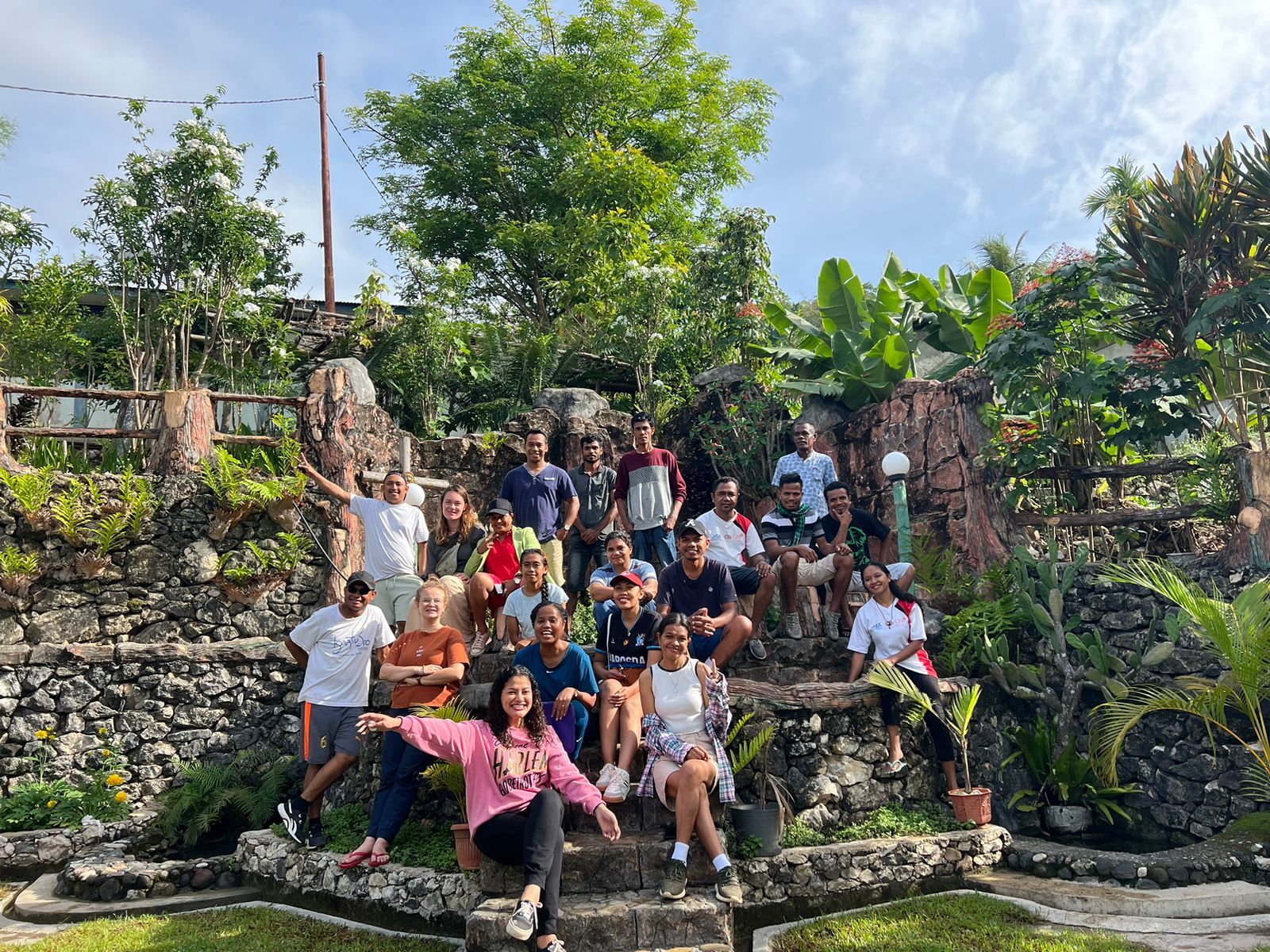
My experiences as a Timorese woman from a country with a long history of struggle for independence have shaped the way I see the world, my community, and my Timorese brothers and sisters.
JESUIT SOCIAL CENTRES
Data as of July 2023